Oak Ash and Heirs — Blog
The Case of the Hidden Name
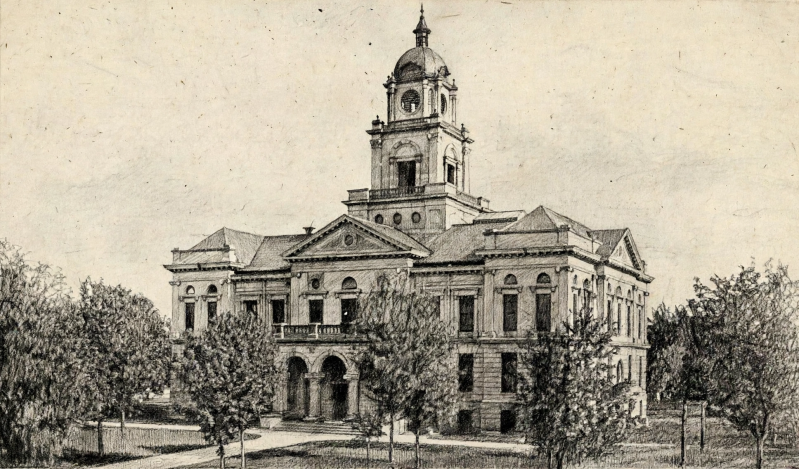
Chapter One: The Locked Courthouse
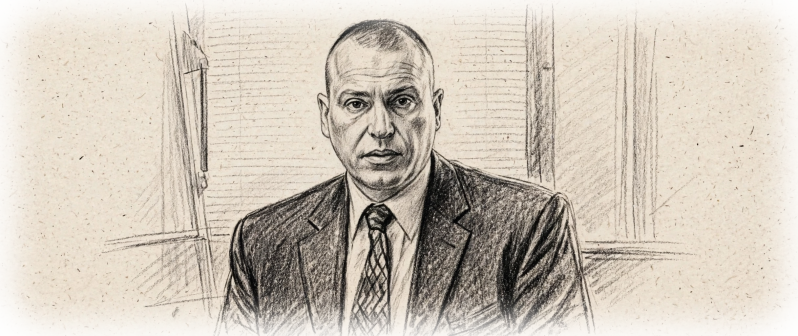
More than sixty people in Allen County, Indiana, are lying under the name Doe. Some of them have been waiting since the 1800s — Mary Jane Doe, John River Doe, Baby John Doe — placeholders, every one of them, while somewhere their families never learned where their people went, or how they were lost. That is the case in many parts of the world. Centuries of time and cold cases that have never been solved in Allen County. The man who holds those files is the county coroner, now the chief investigator in his office, working them the only way they can be worked: one name at a time.
I learned all of that after I saw an advertisement on television. It was a preview for The Genetic Detective, an episode called "The Deadly Playdate." I was pleasantly surprised to see in the previews a surname I have known my whole life. Meihls. Coroner Chris Meihls, of Allen County, Indiana. It made me excited — my own family, on television, where I could see what one of my many cousins had been working on. Meihls is my mother's family name, and Christopher Meihls is my mother's first cousin. Everything I know of him is family knowledge, the kind passed down at kitchen tables, and always having known he was one of the public service providers that were respected in the family.
Human interest issues are near to our hearts, Chris and I had good examples for his law enforcement career — his dad, my uncle Bob Meihls, a long-time deputy at the Mercer County Sherriff's Office and also the county Chief Probation Officer. Then, there was our aunt Jane Meihls Wolfe, the genealogist and family researcher. All of us looking in the locked houses — or should we say the locked Courthouses.
Chapter Two: The DNA Keys
The case that put my cousin on television is about April Tinsley, who was eight years old, living in Fort Wayne, Indiana, when she was taken on Good Friday, April 1, 1988, on her way back to fetch an umbrella. She was found three days later in a ditch in DeKalb County, and her killer had gotten away, so he thought, what he left was a key of sorts. We now know this has DNA.
What he could not run away with was his DNA. The police had it, and they kept it — a complete profile sitting in an evidence file for thirty years, with no name attached. In 1990, a message appeared in crayon on a barn, claiming the killing. In 2004, notes turned up — left on little girls' bicycles, and one in a mailbox — with DNA that matched the 1988 profile exactly. The police knew the note-writer and the killer were the same man. They still did not know his name, because he was in no database anywhere. That room was locked as tight as any of them, and it needed a way in that nobody had found yet.
In the spring of 2018, the whole DNA forensics field changed. The Golden State Killer was caught through genetic genealogy — family trees, these pedigrees built from DNA — and Fort Wayne detective Brian Martin sent the Tinsley DNA to Parabon NanoLabs.
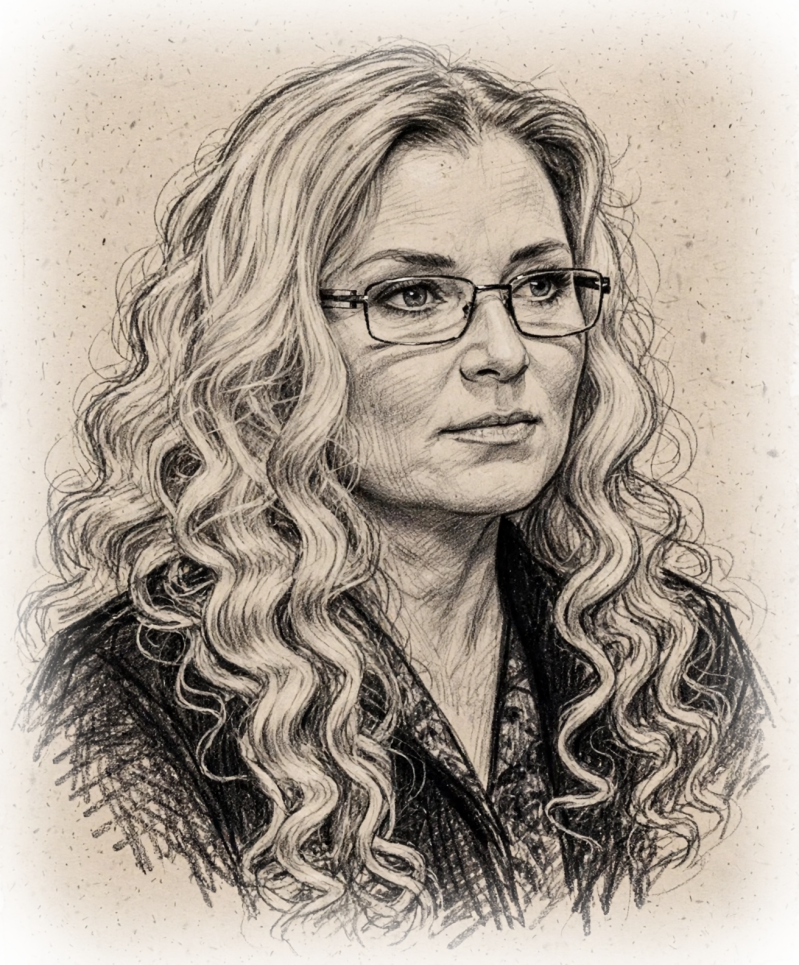
Genetic genealogist CeCe Moore followed the matches, built the trees, and worked down the branches until the tree gave up a family, and then two brothers. One of them was John D. Miller of Grabill. Detectives took DNA from something he had thrown away, and it confirmed the match, and when they asked Miller if he knew why they wanted to talk to him, he answered with a name: "April Tinsley." He pleaded guilty that December and was sentenced to eighty years, and CeCe has called it the first conviction of any kind won through investigative genetic genealogy. CeCe had found the keys — DNA keys, cut from family trees, that opened rooms locked for decades.
Detectives Martin and Clint Hetrick did the police work, and CeCe built the tree, and Christopher was interviewed for the episode in his working capacity, as Allen County's coroner. And that left one question hanging in the air: if those keys could carry a name to a guilty man, could they carry names back to the innocent dead, waiting in my cousin's locked courthouse files?
Chapter Three: One Name at a Time
They could, and they did. In April 2023, genetic genealogist Lisa Needler of IGGnite DNA reached out to Christopher, offering her skills for one of the names in that courthouse: Mary Jane Doe, a young woman found dead in a flooded Fort Wayne basement in 1992. The pedigree tree work began, and match by match, branch by branch, the nameless girl's family took shape.
In February 2024, the coroner's office announced her name: Tabetha Ann Murlin. She was twenty-three years old, and pregnant, and she had been waiting thirty-two years for somebody to say her name out loud. And the case did not stop there, because that November, Baby John Doe — a newborn found in 2002 — was identified, too, through his father's DNA. One name, then another. That is how a locked courthouse opens: one clue, one name, one family at a time.
But Allen County was not the only place with a locked courthouse. There was another one, in another state, and the people waiting inside that one were still alive. That case was sitting on my desk.
Chapter Four: Of One Mind
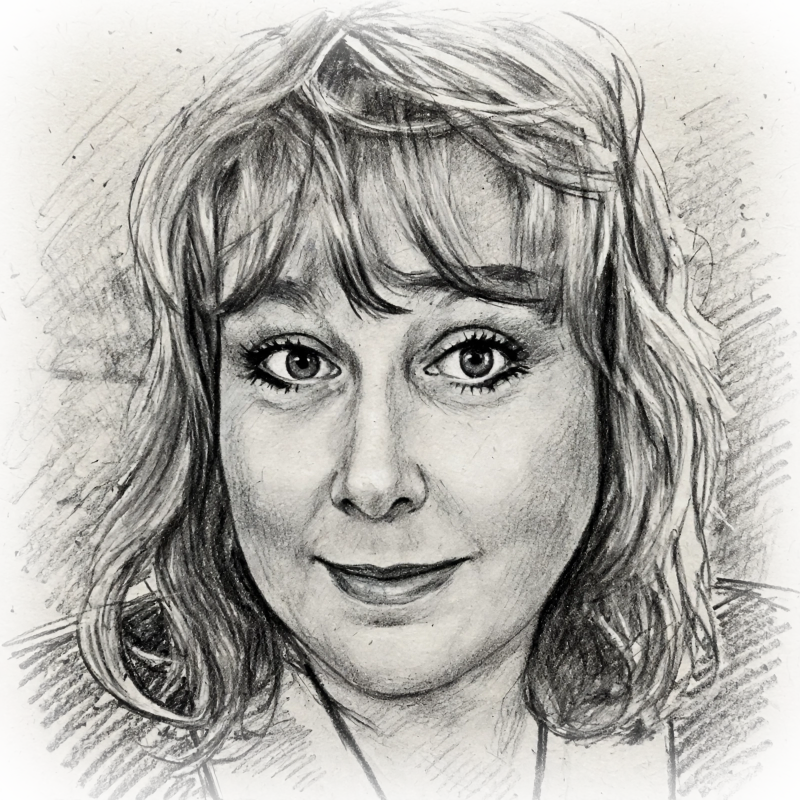
My own work runs the same ground from my side of it. I look up dead people all the time, the same as he does — and I work for the living, too. A good share of my DNA work is for adoptees: people whose original birth certificates were sealed by the state — another locked courthouse — their first names locked in a file they were not allowed to open. Their cases have clues, too — a birth date, a county, a DNA match with a stranger's name on it — and a hidden name at the end of every trail.
And then I was approached to start working more with the adoption people — not just my general genealogical work — and that is what took me to Jefferson City. I went with Missouri Adoptee Rights — my client Carolyn Pooler among them — during the push for the Missouri Adoptee Rights Act, before anything had been voted on. I still remember us passing out cupcakes at the Capitol, asking Missouri to let adopted people hold the record of their own beginning.
The Act was signed on July 1, 2016. That August, the first adoptees — those born before 1941 — received their original birth certificates in Jefferson City, and on January 1, 2018, the door opened to every adult adoptee born in Missouri. Every one of those certificates is a hidden name handed back.
While Christopher's work restores names to the dead of Allen County, CeCe Moore's work helps to find the medical and scientific clues that allow the DNA to find killers. And my work hands hidden names back in both directions — to the dead I look up, and to the living whose beginnings were sealed away. Three directions — like one large research family working with our instincts and running straight through the Meihls bloodline for Christopher and I: nobody stays nameless.
There are still clues pinned to my board to sort as I am sure Chris and CeCe have those running through their thoughts. We all stand as one, looking for the voices that can no longer speak for themselves, sifting through documents and genetic DNA files.
Locked Courthouses that don't stay locked. Hidden names that don't stay forever hidden. Genetics that carry through time keys that have been forgotten. Only waiting for the right person to come looking. The Real Detectives behind the hidden names.
Heidi L Taylor
www.HeidiLTaylor.com
Add comment
Comments